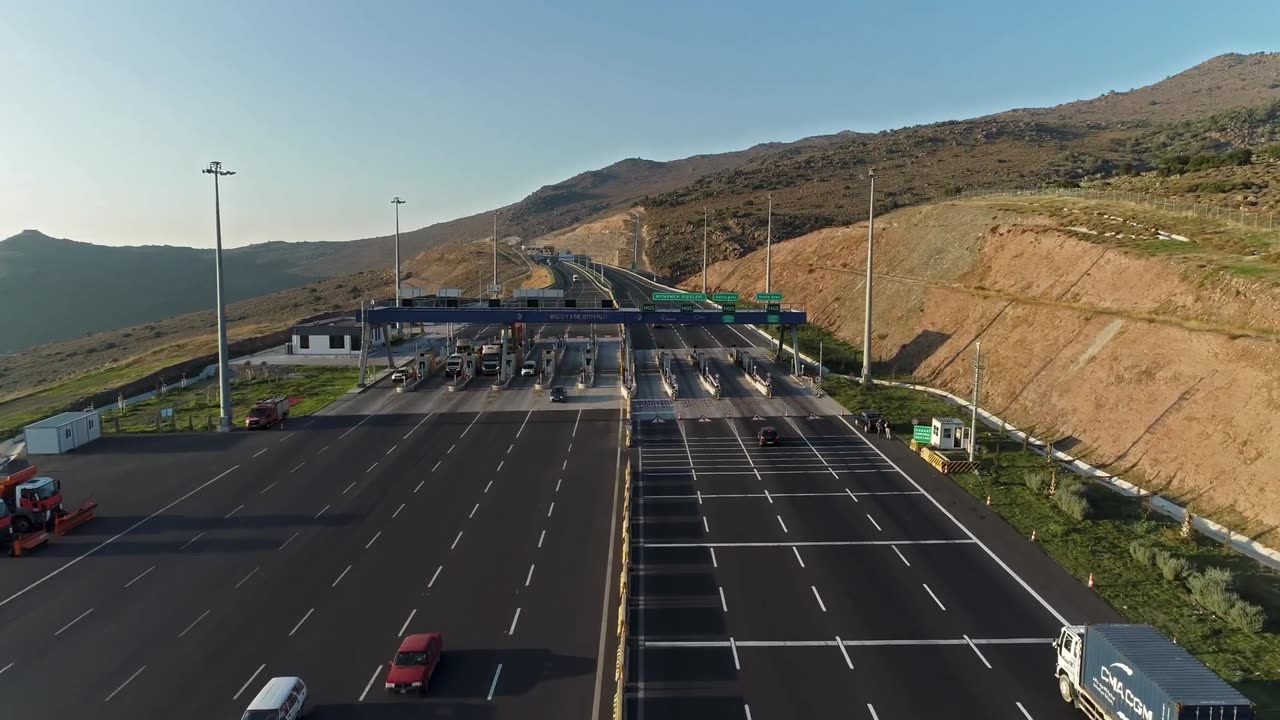

Intermodal Rail-to-Truck Transfer: Which Tolls Apply?
The last-mile drayage leg after a rail transfer carries its own set of toll obligations that most intermodal TMS platforms miss entirely. Here's what applies and when.
Rail ramp to consignee is not a continuation of the rail bill — it is a new truck move with its own toll exposure. Intermodal quotes that price rail linehaul plus fuel surcharge systematically understate last-mile toll on Newark, Chicago, Atlanta, and LA ramps.
Ramp exit patterns that trigger tolls
Northeast
NJ intermodal ramps feeding directly onto NJ Turnpike or Garden State Parkway hit toll within minutes. CSX and NS ramps near Elizabeth and Newark are among the highest-toll exits in the country for 5-axle equipment.
Chicago
Elwood, Joliet, and Bedford Park ramps cross Illinois Tollway segments on almost every outbound route to Indiana or Wisconsin. Quotes using "Chicago" city center geocode miss the tollway merge.
Los Angeles / Long Beach
LA/LB ramps merging to SR-91 or I-710 connectors carry FasTrak segments that vary by time of day. Inland Empire deliveries add Foothill toll roads on common paths.

Pricing the dray leg correctly
- Origin = ramp gate coordinates, not city centroid
- Destination = delivery ZIP with commercial truck routing
- Equipment = container dray profile (5-axle, 80,000 lb typical)
- Forward and return priced separately when deadhead uses different roads
- Include chassis split if return picks up at different ramp
“Intermodal TMS had $0 toll on Chicago ramp moves. Real average was $34 outbound. We fixed origin geocode and the lane margin finally made sense.”
Try the public toll calculator in intermodal mode — select ramp terminal, enter delivery address, and compare toll breakdown to last month's rail-adjacent dray invoices.